

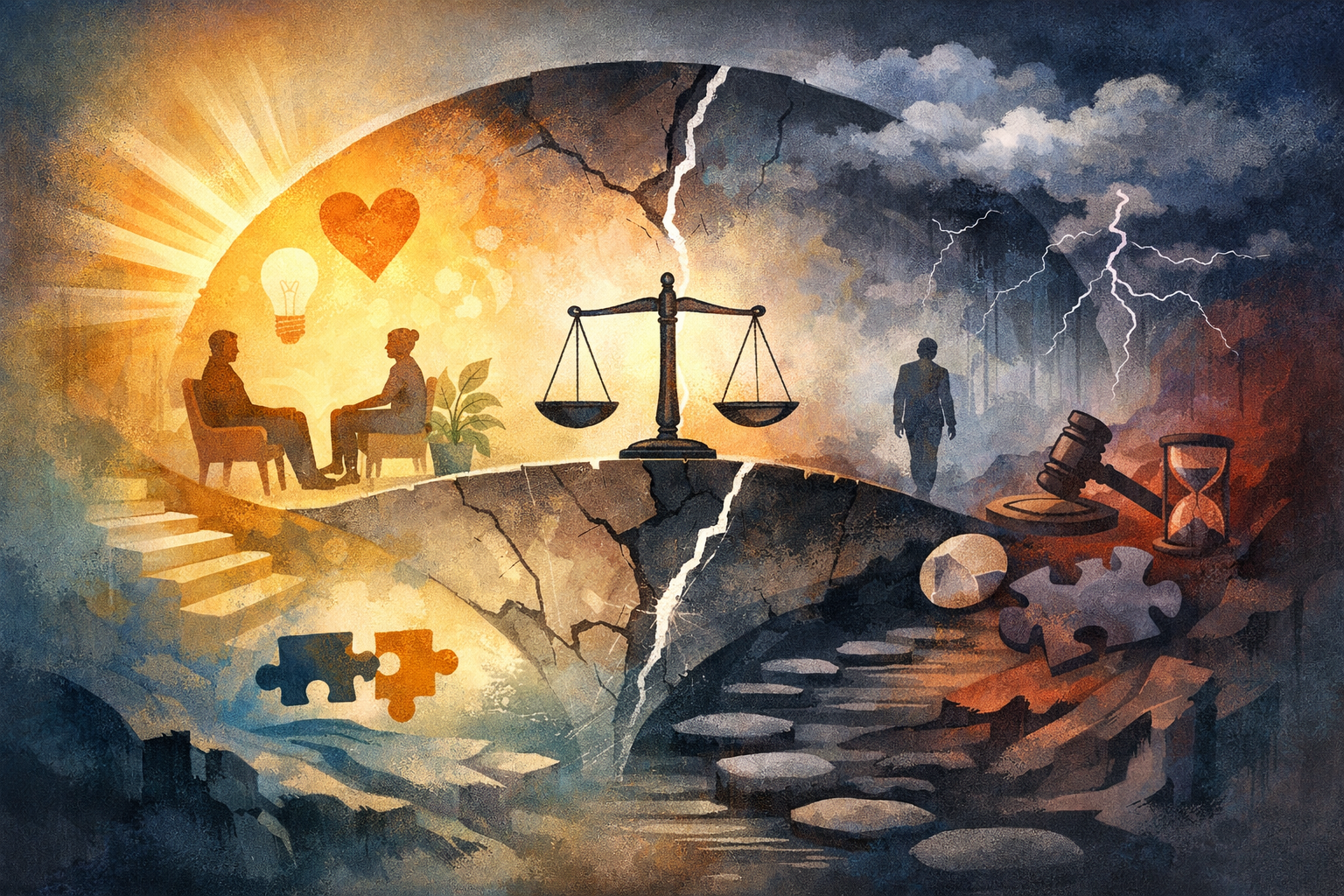
Clarifying Boundaries – What Therapy Is
Therapy is a powerful and meaningful process, but it is often misunderstood. Movies, social media, and popular culture sometimes portray therapy in ways that blur boundaries or create unrealistic expectations. Clarifying what therapy is not helps protect the integrity of the work and ensures that clients receive the greatest benefit from the therapeutic relationship.
Healthy boundaries are not barriers to healing—they are what make healing possible.
Therapy Is Not Friendship
Although therapy is warm, compassionate, and deeply relational, it is not a friendship. A therapist does not share personal struggles for mutual support, seek emotional reassurance from clients, or engage in social relationships outside of sessions.
This distinction exists for a reason: therapy is designed to focus entirely on you. The relationship is intentionally one-sided so that your emotional needs, growth, and healing remain the priority.
Therapy Is Not Advice-Giving or “Fixing”
Therapists do not tell clients what to do, make decisions for them, or offer quick fixes. While guidance, education, and reflection are part of what therapy is, the goal is to help clients develop insight, emotional awareness, and internal resources—not dependency on external direction.
Lasting change comes from understanding oneself more deeply, not from being instructed or corrected.
Therapy Is Not a Place for Judgment or Moral Authority
Therapists do not judge, shame, or impose personal values. A space for honest exploration, even of thoughts or feelings that may feel confusing, contradictory, or uncomfortable, is what therapy is.
At the same time, therapy does not validate harmful behaviors or excuse actions that cause harm. Compassion and accountability can—and often must—coexist.
Therapy Is Not About Forcing Change
Effective therapy respects readiness.
You will not be pressured to:
-
Share more than you want
-
Move faster than feels safe
-
Confront material before you’re ready
-
Make decisions on someone else’s timeline
Change that lasts emerges through understanding and capacity, not force.
Therapy Is Not Endless Venting
While expression is important, therapy is not simply a place to release frustration without direction.
Over time, therapy focuses on:
-
Patterns
-
Meaning
-
Emotional regulation
-
Relational dynamics
-
New ways of responding
The goal is not to stay stuck in complaint, but to move toward clarity and agency.
You may also find helpful: What Makes Therapy Effective
Therapy Is Not One-Size-Fits-All
No single approach works for everyone.
Therapy differs based on:
-
The therapist’s training and style
-
The client’s needs and preferences
-
The nature of the issues being addressed
If one experience wasn’t helpful, it does not define all therapy.
Therapy Is Not a Replacement for Real-Life Relationships
While the therapeutic relationship can be deeply meaningful, it is not meant to replace friendships, marriage, family, or community. Instead, therapy helps individuals strengthen their capacity to engage in healthier, more fulfilling relationships outside the therapy room.
The goal is growth, autonomy, and connection in real life—not emotional dependence on therapy.
See also: How Long Does Therapy Take?
Therapy Is Not Always Comfortable
Healing often involves facing difficult emotions, unresolved pain, and long-standing patterns. Therapy is not always soothing or immediately relieving. At times, it can feel challenging, confronting, or emotionally demanding.
Discomfort does not mean something is wrong—it often means something important is happening.
Why These Boundaries Matter
Clear boundaries create safety, trust, and clarity. They allow therapy to remain ethical, effective, and emotionally contained. When expectations are aligned, clients are better able to engage in the process with confidence and openness.
Therapy works best when both therapist and client understand the frame—and honor it together.
Therapy Is Not About Dependency
Ethical therapy aims to strengthen internal resources.
While support and connection are central, the long-term goal is increased self-trust and resilience — not reliance on the therapist.
Therapy Is Not Perfect or Predictable
Therapy is a human process.
Some sessions feel clear; others feel ambiguous. Progress may be visible at times and subtle at others. This variability is part of meaningful work.
Understanding Therapy Realistically
Knowing what therapy is not helps people engage more freely with what it is.
Therapy offers space, reflection, and support — not judgment, pressure, or prescriptions.
If you’re considering therapy and want to enter with clear expectations, an initial consultation can help you explore whether this process feels right for you.


Office
Nachal Uriya 11/2
Beit Shemesh

Call us
052-682-3033
